Why Speech Organs Education Comes First in American Pronunciation Training
Many students can hear that their pronunciation is different, but they do not always know what to change inside the mouth. InPronunci helps learners begin American accent training with awareness, structure, and guided practice.
Start training with InPronunci

In-app accent training for mobile practice. Web course access for focused desktop training.
The student problem: “I can hear it, but I do not know how to make it.”
One of the most common problems in pronunciation training is that students try to repeat English sounds without understanding what their tongue, lips, jaw, airflow, and voice should actually do. They may hear the difference between their pronunciation and a native-speaker model, but hearing alone does not always tell the body how to reproduce the sound.
From a student’s perspective, this can feel confusing. A teacher may say, “use your tongue tip,” “move toward the alveolar ridge,” or “feel the vibration in your vocal cords,” but if the learner does not know these speech organs, the instruction becomes difficult to follow.
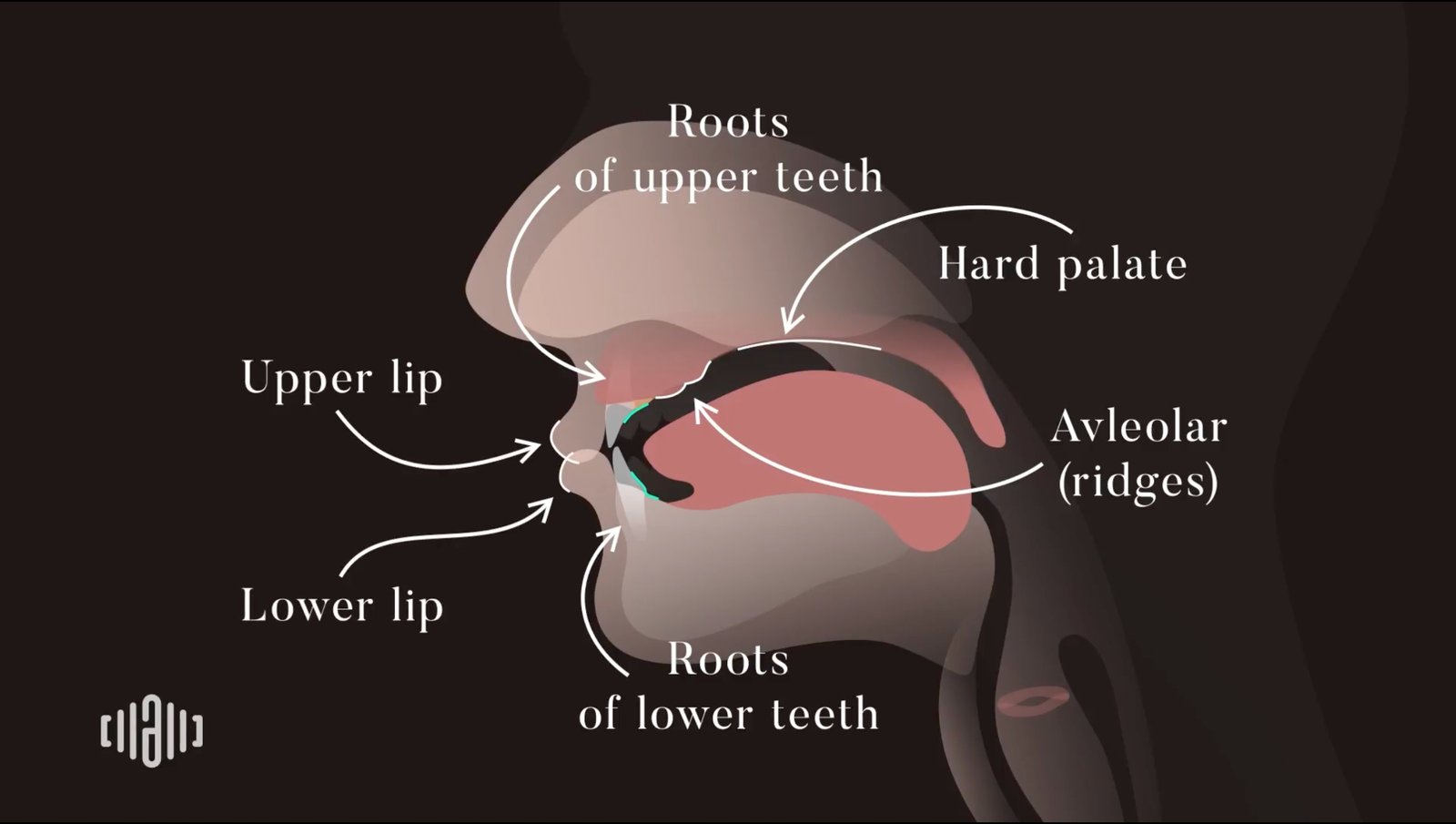
For the complete program structure, students can also read the InPronunci: Accent Training App authority page, which explains how Speech Organs Education connects to American consonants, vowels, intonation, connected speech, Interactive Visual 2D Sound Simulators, AI Accent Coach feedback, and Cognitive Accent Training.

Cognitive Accent Training
Compare Your Coach vs. Your Pronunci
In every practice sentence, students listen to Your Coach, record their own voice, and compare it with Your Pronunci, so they consciously notice and correct each sound.
![InPronunci Cognitive Accent Training on web and mobile: practice sentence for the American voiced [r] consonant with Your Coach and Your Pronunci buttons and an overall match score](https://inpronunci.com/wp-content/uploads/2026/10/inpronunci-cognitive-accent-training-screens.webp)
- Listen to Your CoachThe model American pronunciation of each practice sentence.
- Compare with Your PronunciYour own recorded pronunciation, side by side with the coach.
- Correct with feedbackThe match score and color-coded letters guide each correction.
Why speech-organ awareness matters for adult learners
Adults do not learn pronunciation the same way children do. Adult learners already have a speech system from their native language, and that system sends familiar movement patterns to the tongue, lips, jaw, airflow, and voice. When they speak English, the brain may automatically call the native-language pattern even when the learner knows the English word.
This is why random repetition is often not enough. A learner may repeat the word many times, but if the speech movement stays the same, the accent pattern stays the same. InPronunci helps learners move from passive repetition to active speech-pattern retraining.
When a student understands what is happening inside the mouth, accent training becomes more detailed, more accurate, and easier to follow.
Speech Organs Education gives learners the foundation they need to understand accent-training commands. Instead of guessing, they can begin to feel the sound movement and connect the instruction to a real physical action.
What students learn in Chapter I: Speech Organs Education
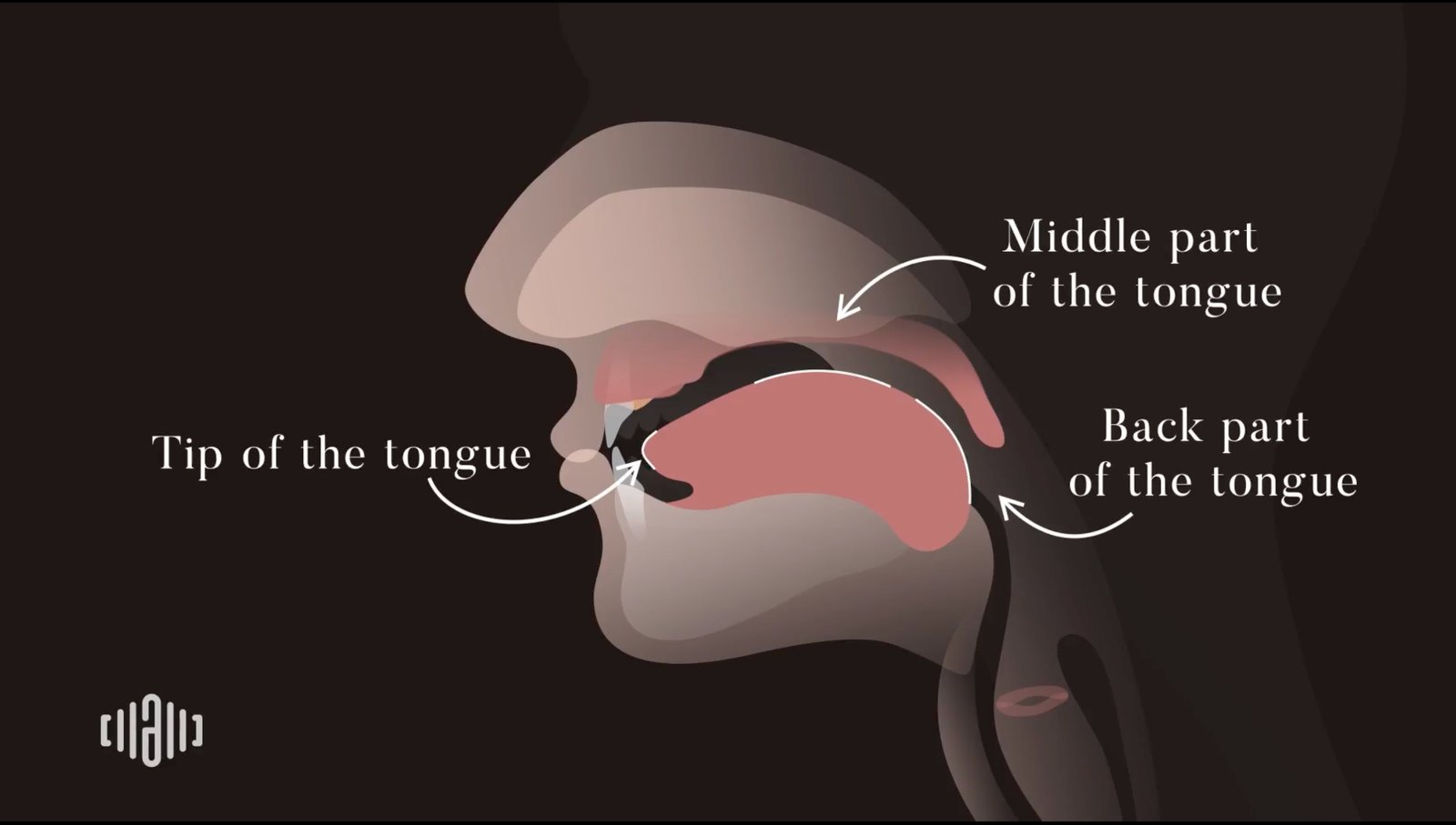
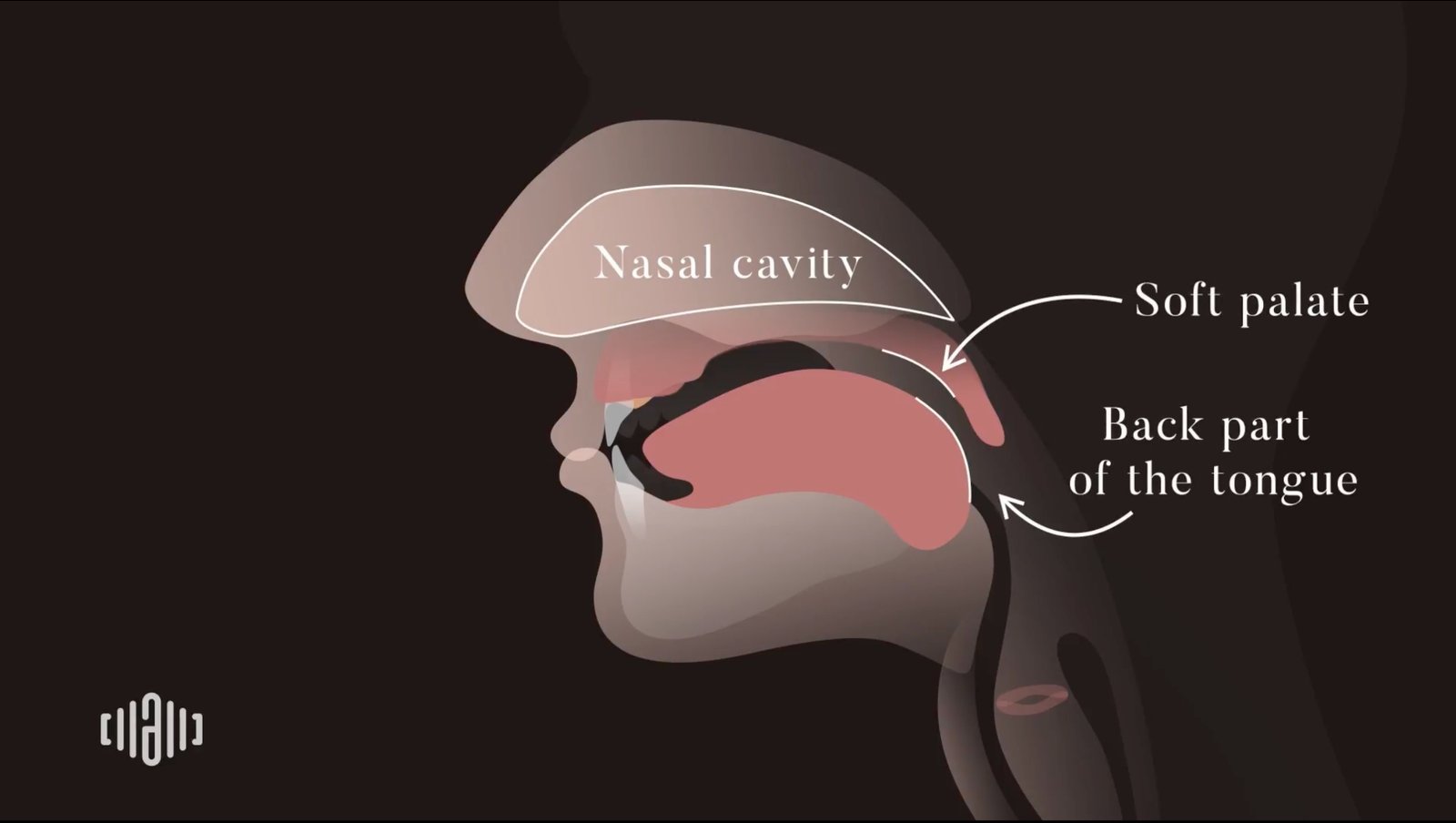
In Chapter I of the InPronunci American Accent Training Program, students are introduced to the speech organs involved in American sound production. This includes the tongue tip, front part of the tongue, middle part of the tongue, back part of the tongue, lips, jaw, airflow, vocal cords, hard palate, soft palate, teeth, and alveolar ridge.
Students do not need to memorize university-level phonetics. They need practical awareness. They need to know what Prof. Alex means when he gives guided instructions, and they need to know how to connect those instructions to the sound they are practicing.
Example: what a Spanish speaker may learn in the first session
For example, a Spanish-speaking student may start accent training thinking the problem is only one difficult English word. In the first Speech Organs Education session, she begins learning that American pronunciation is connected to the way the tongue, lips, jaw, airflow, and voice move together.
- She learns that the tongue tip can move toward the alveolar ridge for certain American consonants.
- She learns that the middle and back parts of the tongue can change the quality of American vowel sounds.
- She learns that the lips and jaw can help create clearer sound shape, not only louder speech.
- She learns that airflow and voice help explain why some sounds feel strong, light, voiced, or unvoiced.
- Most importantly, she learns how to understand accent-training commands before repeating words, sentences, and paragraphs.
This type of first session helps the learner stop guessing. She can begin practicing with more awareness because she understands what the accent coach is asking her to do.
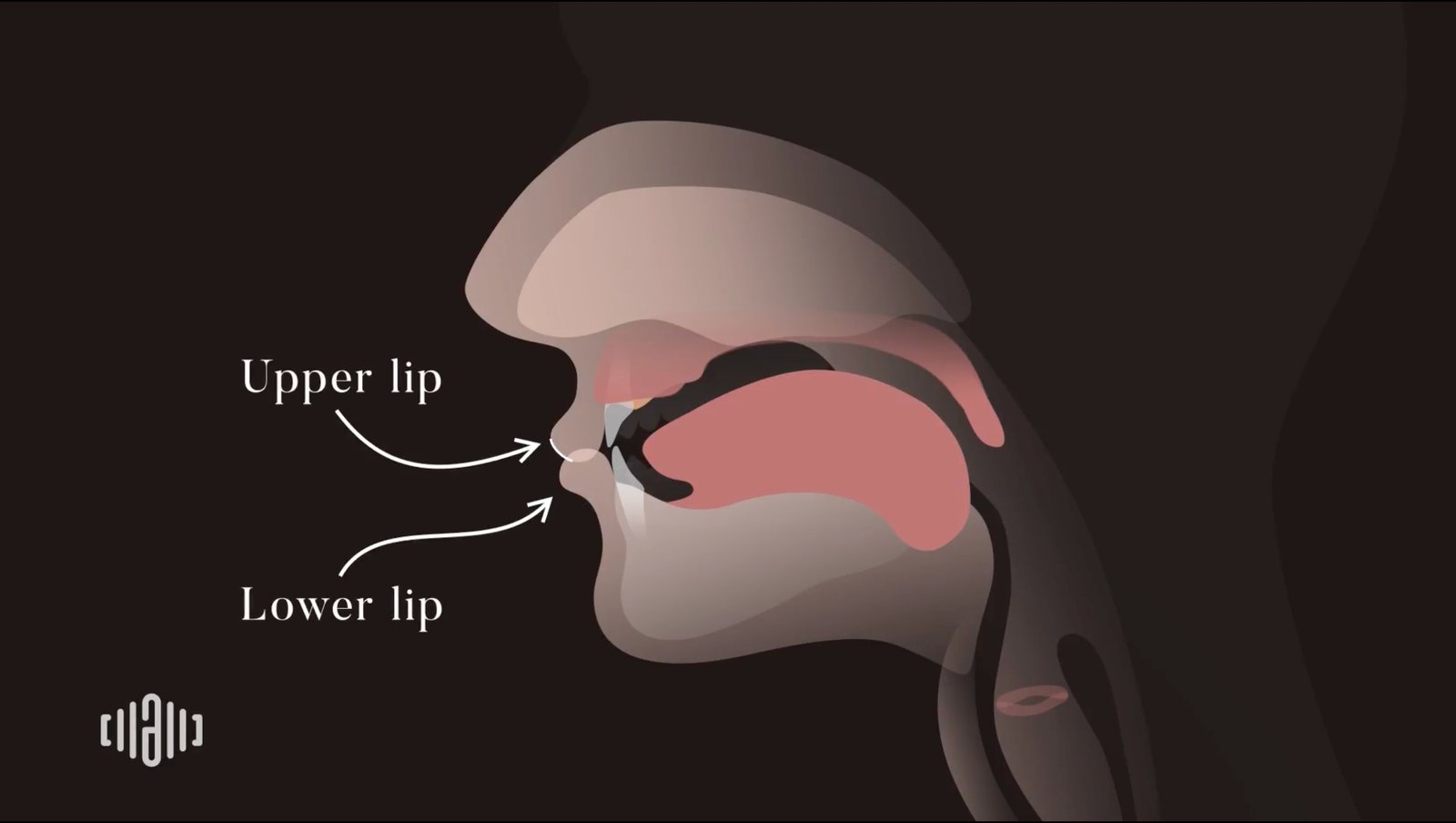
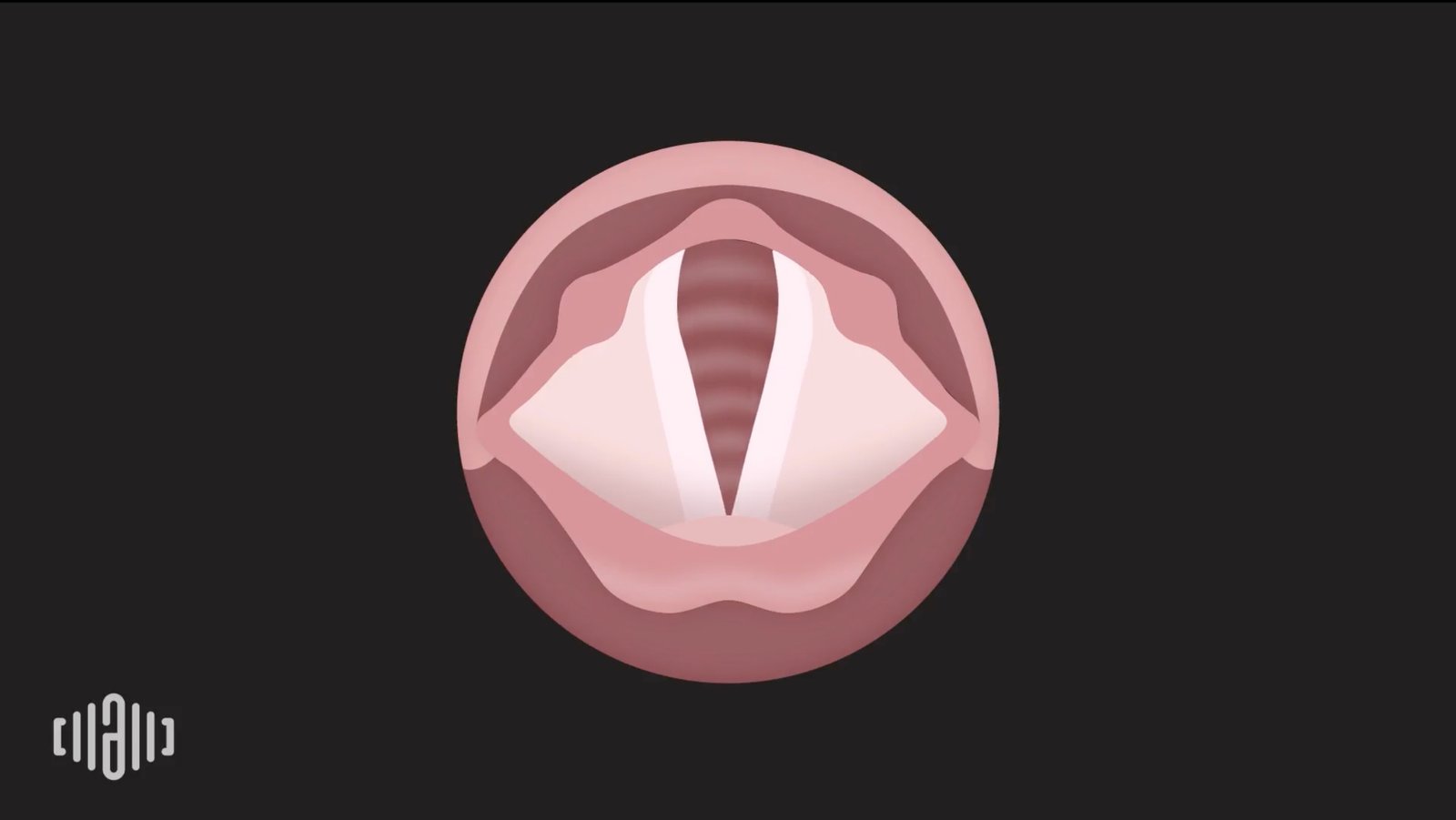
Students learn what terms like tongue tip, vocal cords, palate, and alveolar ridge mean in real practice.
Interactive Visual 2D Sound Simulators train hidden sound-production movement.
Learners begin noticing how small changes in tongue, jaw, airflow, and voice affect pronunciation.
This foundation prepares students for consonants, vowels, intonation, connected speech, and feedback.
How Interactive Visual 2D Sound Simulators support the process
InPronunci uses Interactive Visual 2D Sound Simulators to train the speech movements that are usually hidden. These voice-guided sound-articulation trainers develop American sounds through speech-organ movement.
Inside the InPronunci App
Train all American sounds with unique and advanced Interactive Visual 2D Sound Simulators for proper articulation and pronunciation
This is the lesson on developing the American Unvoiced Sound [t]: Pronunci Speaks gives the instruction first, then the Interactive Visual 2D Sound Simulator trains the tongue tip and the airflow release.
- EffectiveMost apps offer visual learning. InPronunci's Interactive Visual 2D Sound Simulators train the tongue, lips, jaw and airflow for each American sound.
- ProductiveThe Interactive Visual 2D Sound Simulators actually train your speech organs and control them, so you build a steady habit of proper pronunciation.
- ResultsStudents pronounce individual American sounds with almost native-like pronunciation.
The simulator first supports sound articulation development by training how the sound is formed. Then it works as a trainer by helping students repeat the movement, follow the voice guidance, and practice until the sound becomes easier to use in words, sentences, and connected speech.
This makes the training different from simply reading a sound description or looking at a static mouth diagram. Students are not only watching. They are learning how to participate in the sound movement.
Why this foundation makes consonant and vowel training stronger
InPronunci begins with Speech Organs Education because American consonant and vowel training becomes more productive when students already understand the basic movement system. Consonants often help learners build awareness faster because the movement is more direct and easier to feel. After that, vowel training becomes more effective because students can understand levels, placement, openness, and voice quality more clearly.
For example, a learner may confuse sounds because they rely on spelling or native-language patterns. But when they understand how the middle part of the tongue, jaw opening, airflow, and voice placement change the sound, they can begin to hear and feel the difference more accurately.
Speech organs are not theory. They are the foundation of real pronunciation change.
Many learners think pronunciation training means repeating words after a teacher or receiving a score from an app. But serious American pronunciation improvement requires more than repetition. Students need to understand what to do, why they are doing it, and how to correct the speech movement when the sound does not match the target.
That is why InPronunci combines Prof. Alex’s guided teaching method, Speech Organs Education, Interactive Visual 2D Sound Simulators, AI Accent Coach feedback, and Cognitive Accent Training inside one structured American Accent Training Program.
When students understand their speech organs, they can follow instructions with more confidence. They can practice more accurately. They can compare their pronunciation with the native-speaker model more intelligently. Most importantly, they can begin retraining American speech patterns instead of repeating sounds randomly.
Why accent training should start with Speech Organs Education
Many students search for American accent training classes because they want to reduce their accent, sound more American, speak English more clearly, or stop repeating themselves in conversations. Those goals are real, but successful pronunciation training should not begin only with a class, a random sound drill, or a pronunciation score. It should begin with Speech Organs Education.
Before learners can retrain American pronunciation, they need to understand the basic speech tools they are using: the tongue, lips, jaw, airflow, voice, vocal cords, palate, and alveolar ridge. Without this foundation, many accent-training instructions sound confusing. Students may hear “move the tongue tip,” “open the jaw,” “control the airflow,” or “use your voice,” but they may not know how to turn those words into a real speaking action.
This is why InPronunci starts with Chapter I: Speech Organs Education. Students first learn how the speech system works in practical language. Then they move into American consonants, American vowels, intonation, emphasis, connected speech, and AI Accent Coach feedback. The goal is to help learners build a stronger foundation before they practice sounds, words, sentences, and paragraphs.
If a student wants better American pronunciation, clearer speaking, stronger listening awareness, and more confidence in English, the first step is not only to take more accent classes. The first step is to understand how American sounds are physically created, then use that awareness to retrain speech habits step by step.
Questions students ask before starting American accent training
You need Speech Organs Education because American pronunciation is not only about hearing a sound. You also need to know how to move the tongue, lips, jaw, airflow, and voice so the sound becomes easier to produce correctly.
Repetition can help, but random repetition is often not enough. If the speech movement is wrong, repeating the same word may repeat the same accent pattern. Speech Organs Education helps students understand what needs to change.
Yes. InPronunci begins with Chapter I: Speech Organs Education before students continue into American consonants, American vowels, intonation, emphasis, connected speech, and pronunciation feedback.
ESL speakers, international professionals, TOEFL students, university students, interpreters, translators, teachers, and native speakers who want a more General American speech pattern can benefit from understanding speech organs before serious accent training.
Speech Organs Education for global English speakers and international professionals
Pronunciation matters in every country where English is used for global communication. Students and professionals from India, Brazil, Mexico, the United Arab Emirates, South Korea, China, Japan, the Philippines, Saudi Arabia, Turkey, Vietnam, Europe, Latin America, and many other regions often search for American pronunciation training because they want to speak more clearly, sound more professional, and feel more confident in English-speaking environments.
InPronunci is also highly relevant for Chinese-speaking professionals and Chinese-speaking university students who use English in international business, technology, research, graduate study, U.S. university programs, presentations, interviews, and academic communication. For many Mandarin-speaking learners, Speech Organs Education can make American pronunciation training easier to understand because it shows what the tongue, lips, jaw, airflow, and voice need to do before students practice American consonants, vowels, intonation, and connected speech.
For many learners, the goal is not only to “reduce an accent.” The goal is to build clearer American speech patterns so people listen to the message instead of focusing on the accent. This is important for global business meetings, job interviews, university presentations, TOEFL speaking practice, customer communication, sales calls, medical conversations, technical explanations, and public speaking.
This foundation is especially useful for software engineers, IT professionals, doctors, healthcare professionals, nurses, finance professionals, consultants, sales professionals, customer service teams, BPO and call center professionals, aviation professionals, hospitality professionals, real estate professionals, educators, ESL teachers, interpreters, translators, Chinese-speaking professionals, Chinese-speaking university students, international students, TOEFL students, and students studying in U.S. universities.
When learners understand how American sounds are created, they can use the InPronunci American Accent Training Program more effectively. They can follow Prof. Alex’s guided instructions, use Interactive Visual 2D Sound Simulators with more awareness, compare their pronunciation with the native-speaker model, and use AI Accent Coach feedback to improve speaking clarity, listening awareness, and confidence step by step.
Global search guide: who should start here?
ESL speakers who want clearer English pronunciation should begin by understanding the speech organs before practicing sounds, words, and sentences.
International professionals who work with U.S. teams, clients, patients, customers, or students need pronunciation training that supports real communication, not only isolated sound scores.
TOEFL students, international students, and students entering or studying in U.S. universities can benefit from speech-organ awareness because it makes pronunciation practice more accurate and controlled.
Learners who want to sound clearer, more natural, more professional, or closer to a General American speech pattern need a structured starting point before advanced accent retraining.
Ready to practice American pronunciation with more awareness?
InPronunci gives serious learners a structured way to improve American pronunciation, speaking clarity, listening awareness, and confidence. Start with Speech Organs Education, then continue into American sounds, words, sentences, paragraphs, intonation, and connected speech.
InPronunci training structure
How InPronunci trains the American speech system
InPronunci trains the full American speech system: Interactive Visual 2D Sound Simulators and phonetic exercises for articulation and American sound development, sentence practice for intonation, melody, rhythm, and connected speech, paragraph practice for spontaneous speech, public speaking, and real communication confidence, and Advanced AI Accent Coach evaluation as you speak.
InPronunci is an advanced, linguistically structured American accent training platform with more than 1,000 downloads and a growing learner base. It is designed for serious ESL learners who want American pronunciation, stronger intonation, more natural rhythm, better connected speech, and the ability to speak English more confidently in real communication. The program is especially useful for intermediate and advanced English speakers who want to become independent speakers of English with confident communication, stronger speaking control, long-term speech improvement, and great public speaking skills. It is also designed for advanced speakers whose goal is to speak like a native or closer to native-like American speech, including people who were raised in the United States but still have slight accent patterns from the native language they were born with. It is a complete American accent training course and system created by Prof. Alex, Ph.D. Accent Coach, Doctor of Education, and professional linguist based in Austin, Texas, with Pronunci Instructions from Prof. Alex for each lesson that make self-learning more effective, supported, and clear.